
Tuesday Cultural Inspiration
The Beauty of Our Medieval Coinage
On Wednesday, 4 November 2026, at 6:00 pm, we warmly invite you to the opening of the exhibition The Beauty of Medieval Coinage, organised in cooperation with the Numismatic Society of Slovenia.
About the Event
V sredo, 4. novembra 2026, vas ob 18. uri vljudno vabimo na odprtje razstave The Beauty of Medieval Coinage, organised in cooperation with the Numismatic Society of Slovenia.
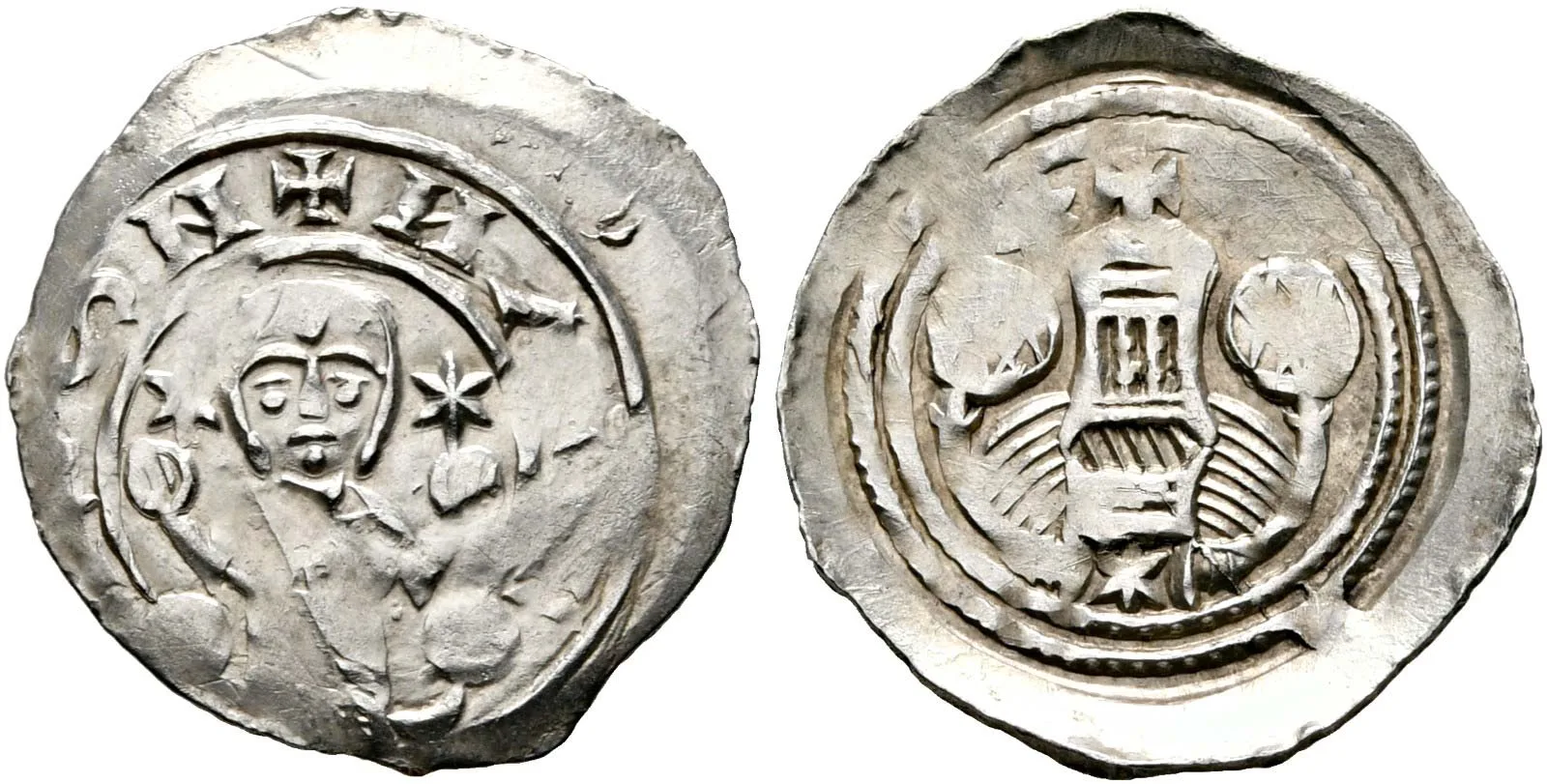
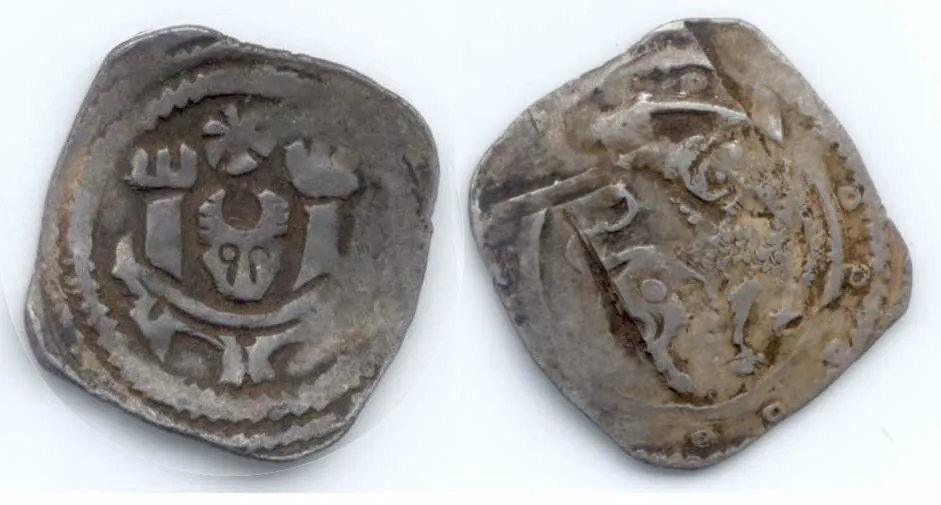
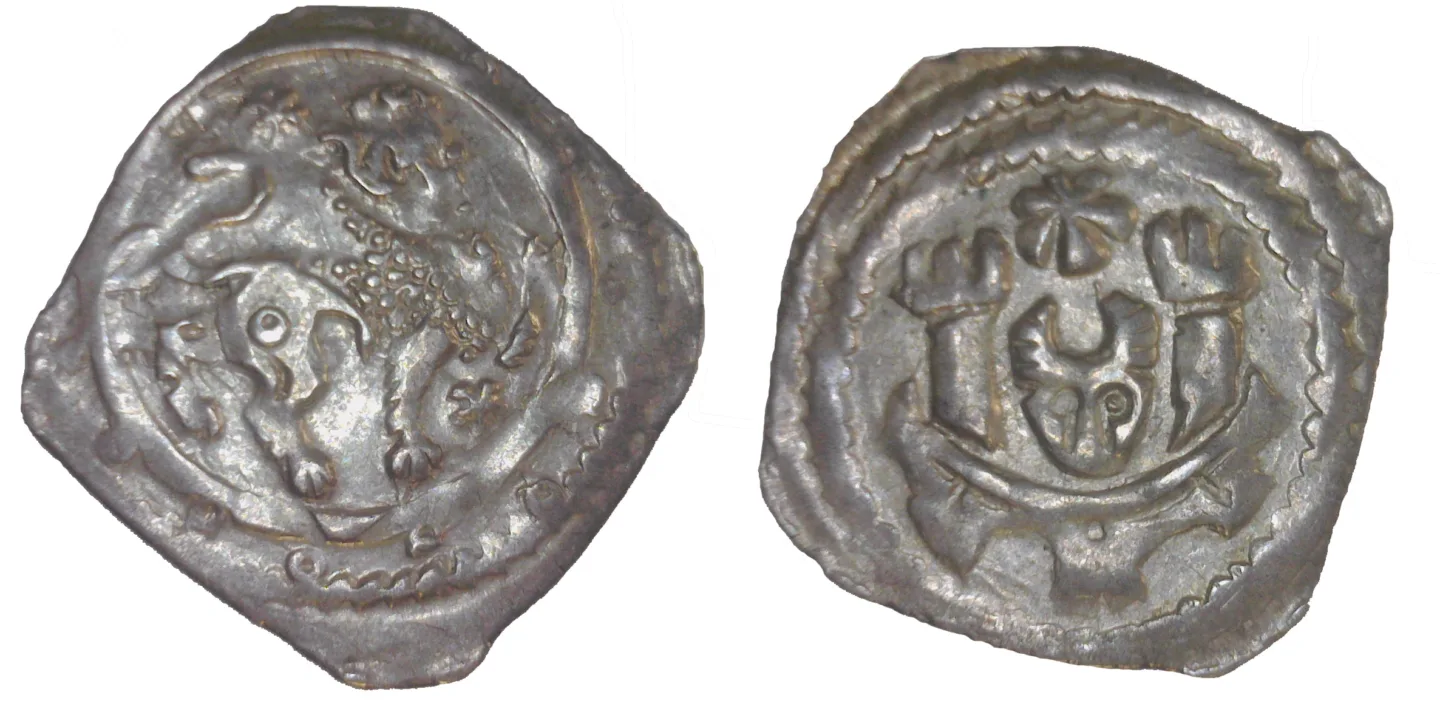
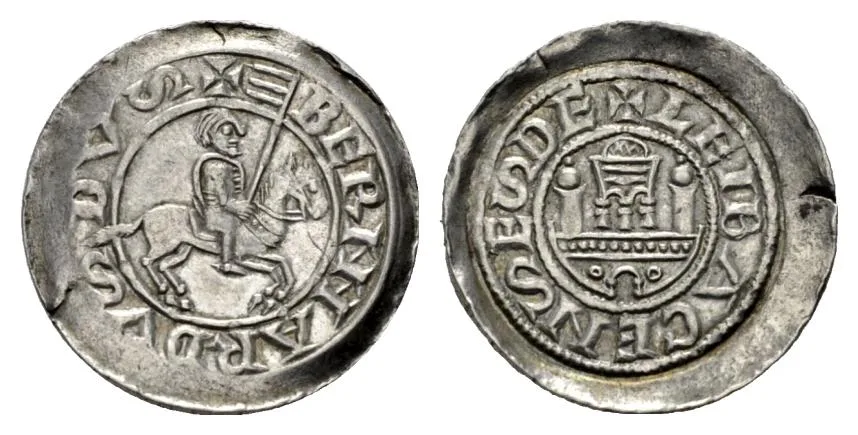
This year’s exhibition focuses on small silver coins that circulated, and were also minted, in the territory of present-day Slovenia during the 12th and 13th centuries. This period saw a revival of local mints, which mainly produced denarii modelled on the Friesach pennies (known as *frizaherji*) issued by the Salzburg archbishops’ mint in Friesach, Carinthia.
The Counts of Andechs-Merania minted coins in Kamnik and Slovenj Gradec; the Dukes of Carinthia from the House of Spanheim did so in Kostanjevica and Ljubljana. In Ptuj, Brestanica and Brežice, coins were minted by Archbishop Eberhard II of Regensburg together with Duke Leopold VI of Babenberg.
Auxiliary mints existed even in small settlements such as Čatež pri Brežicah and Sveti Križ pri Kostanjevici. The Bishops of Gurk probably transferred their minting operations from Carinthia to Pilštanj. Bishop Otto II of Freising established the Gutenwert mint at present-day Otok pri Dobravi, which changed hands several times during its operation. Another mint remains mysterious: because its location has not been established, it is known as the unidentified Carniolan border mint. In the 15th century, a mint also operated in Celje under the Counts of Celje, while another operated in Spodnja Lendava under the noble Bánffy family. A mint may also have existed in Kranj, although no written evidence survives.
The beauty of these small silver coins is not immediately apparent, largely because of their rough appearance, simple craftsmanship and enigmatic inscriptions. Yet they represent a high point of medieval Romanesque numismatic art at the transition to the Gothic period, reflecting the symbolic world of both the nobility and ordinary people. Given this significance, and the fact that the territory of present-day Slovenia has never had as many mints as it did in the Middle Ages, these little coins truly deserve our attention for their unusual beauty.
You are warmly invited!
Gallery
Practical Information
Date
4 November 2026
Time
18:00
Location
Prešeren House
Admission
Free admission
Venue
Prešeren House
Accessibility
Accessible to visitors with reduced mobility