
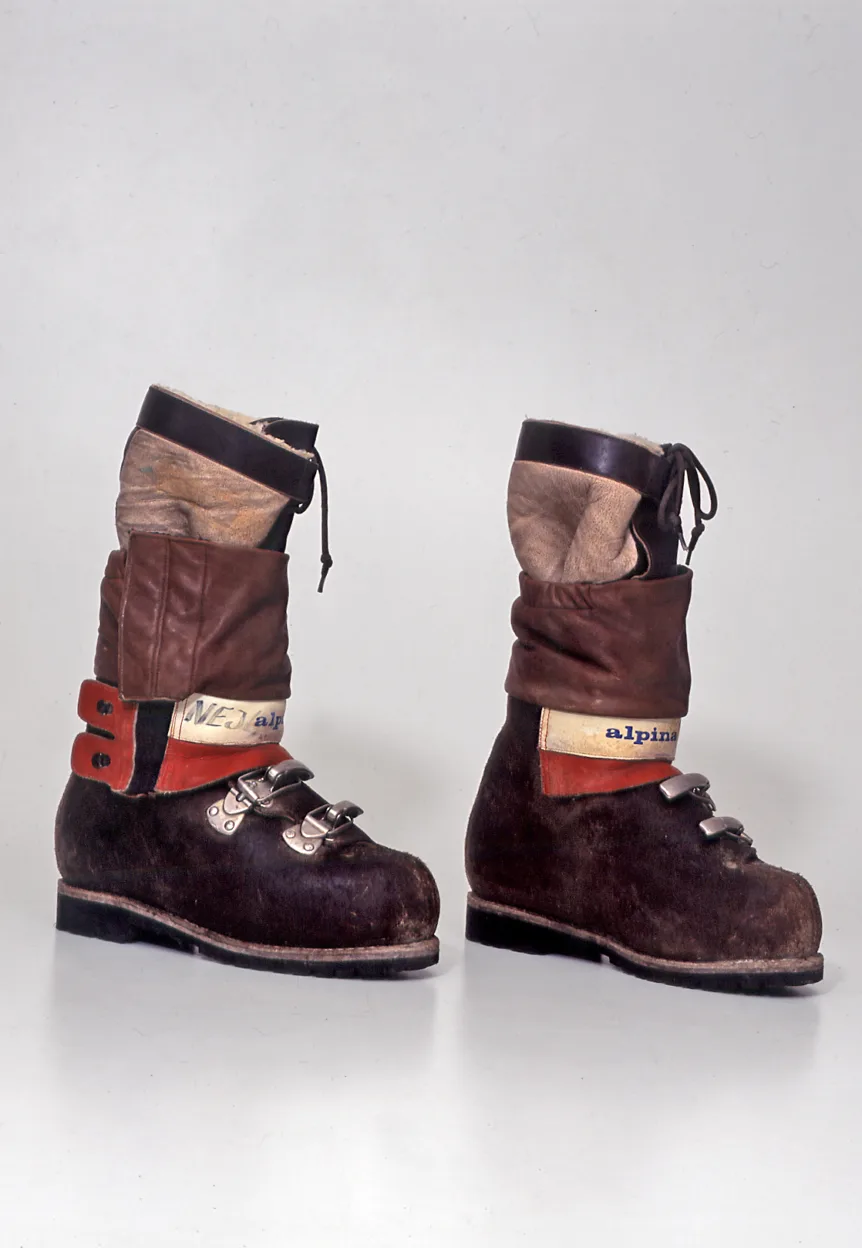
Nejc Zaplotnik’s high-altitude boots
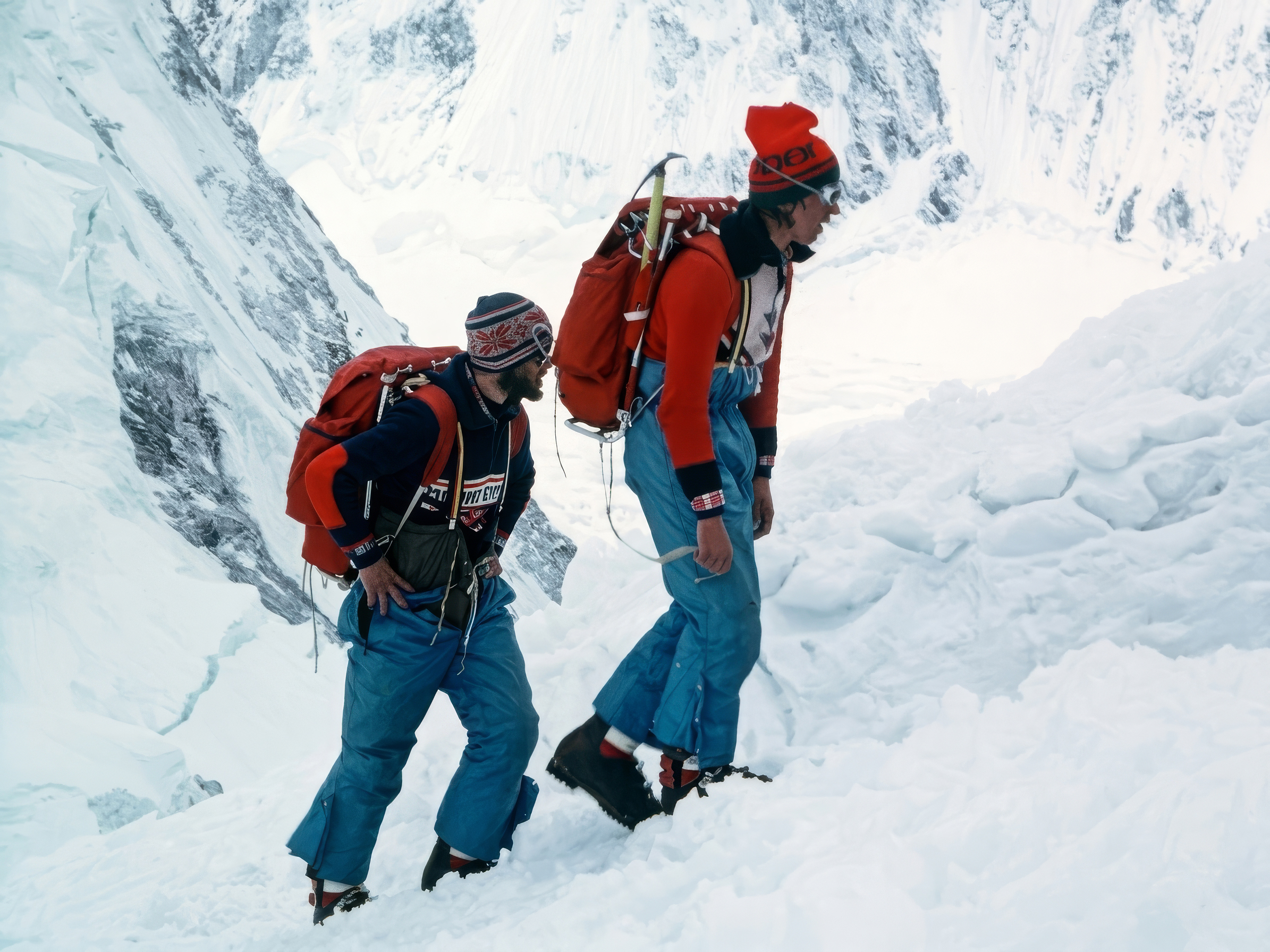
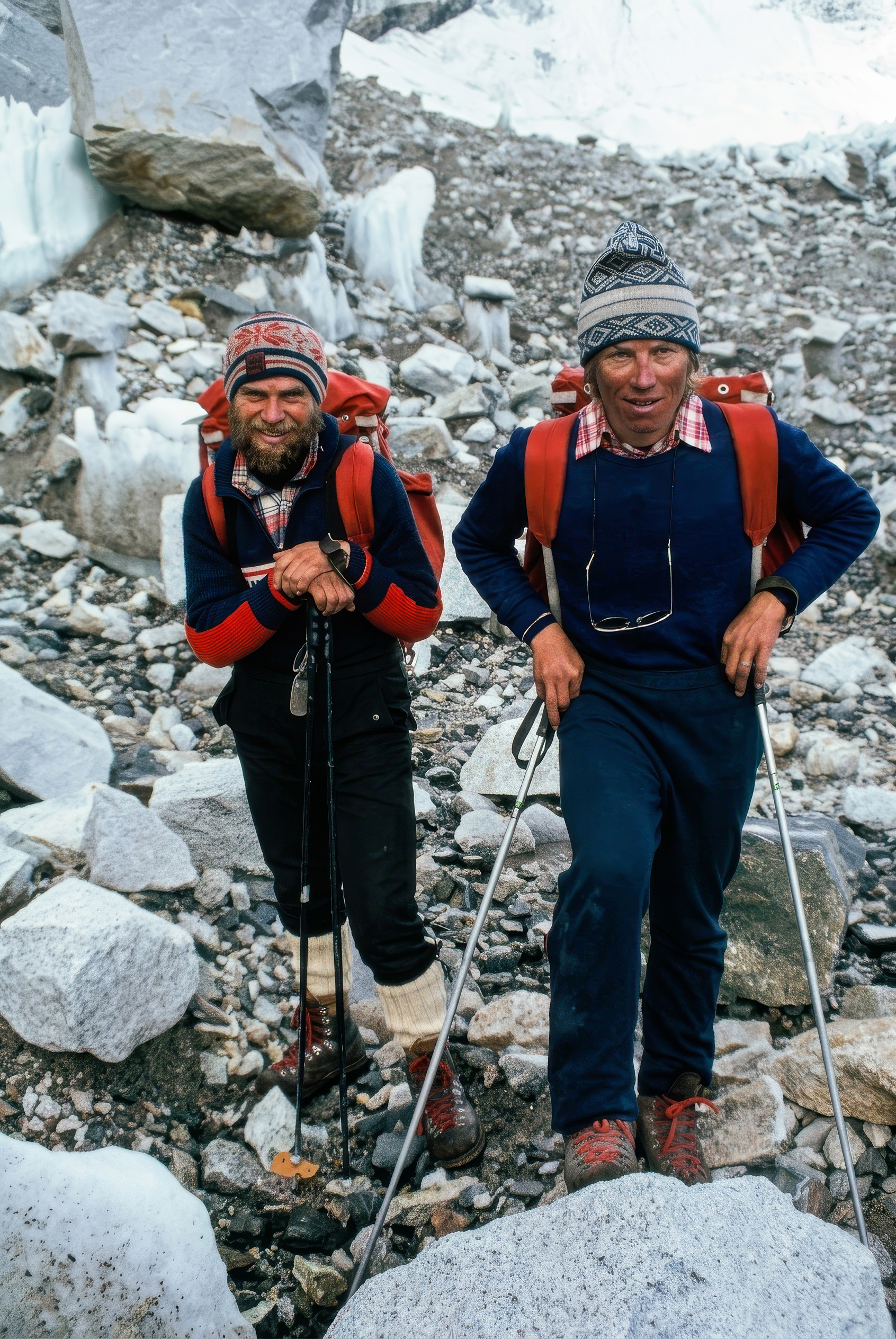
Alpina Žiri boots in which Nejc Zaplotnik, on 13 May 1979, became the first Slovenian to stand on the summit of Mount Everest — via the West Ridge, the mountain’s most demanding route.
Summit reached
13. 5. 1979
Manufacturer
Alpina Žiri
Elevation
8.848 m
Khislstein Castle · Showcase 7A
The boots that stood on the roof of the world
Po prvi slovenski odpravi v Himalajo, leta 1960, je bila 1963 pri Planinski zvezi Slovenije ustanovljena Komisija za odprave v tuja gorstva z izdelano strategijo in vizijo.
Po odpravah na sedem tisočaka leta 1965 in 1969, je leta 1972 prišel na vrsto prvi osem tisočak, Makalu. Vrh je, žal, ostal nedosežen, zato so leta 1975 odpravo ponovili. Kar devet alpinistov je vrh Makaluja doseglo po prvenstveni smeri preko južne stene. Prvenstveni vzpon je pomenil dokončen stik slovenskega alpinizma s svetovnim alpinističnim vrhom.
The development of alpinism and the achievements that followed were finally heralded in 1977 by Andrej Štremfelj and Nejc Zaplotnik, who climbed a first ascent on the southwest ridge of Gasherbrum I (8,068 m).
“We are sitting by the Chinese pyramid and do not know what to do!”
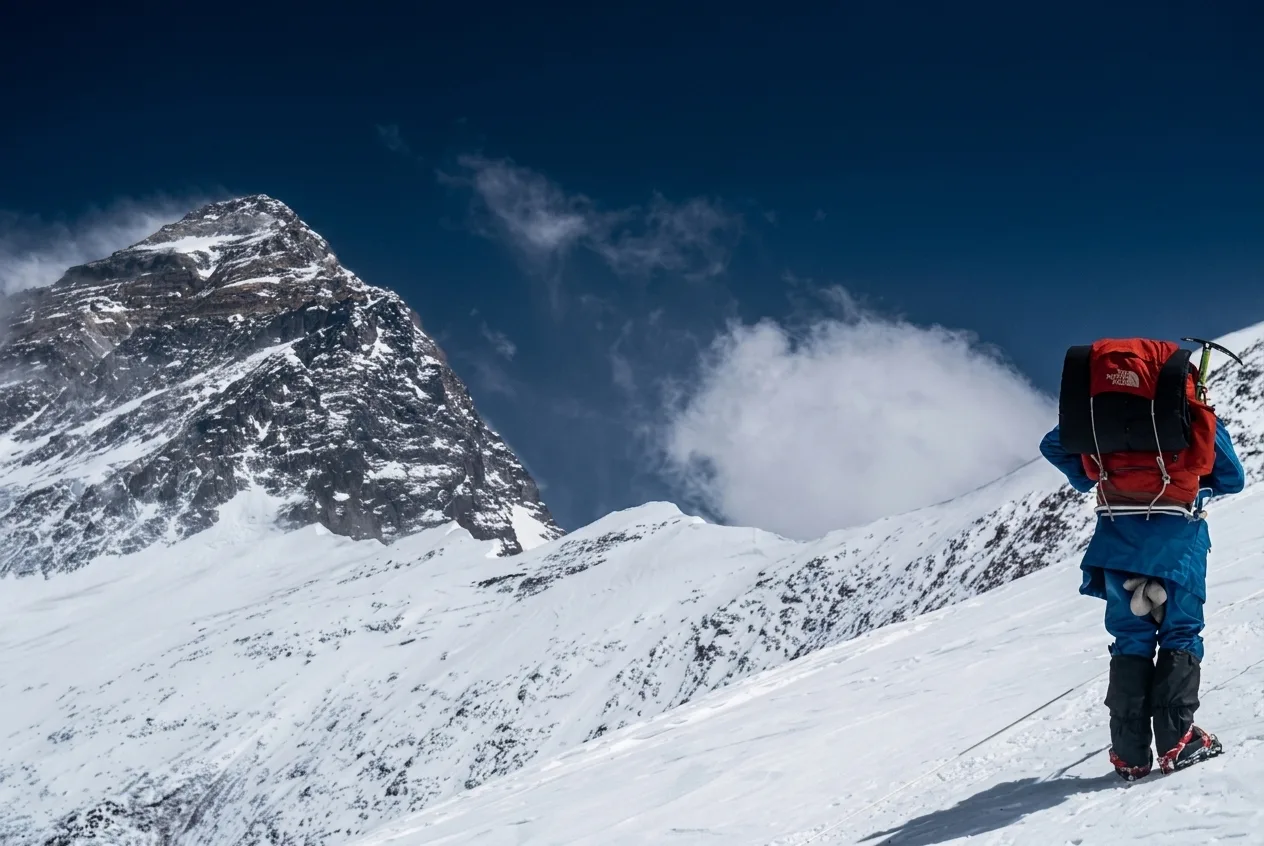
The expedition planned to reach Everest’s summit via the West Ridge — and succeeded. The route is still considered the hardest on the mountain: from the Khumbu Glacier base rises a 700 m steep rock wall to the Lho La pass, followed by the 1,200 m slope of the West Shoulder; beyond its crest stretches a 2.5 km long, relatively gentle but fiercely windy ridge, at the end of which begins Everest’s steep and rugged summit pyramid with more than 700 m of elevation gain and some extremely difficult climbing pitches for extreme altitude.
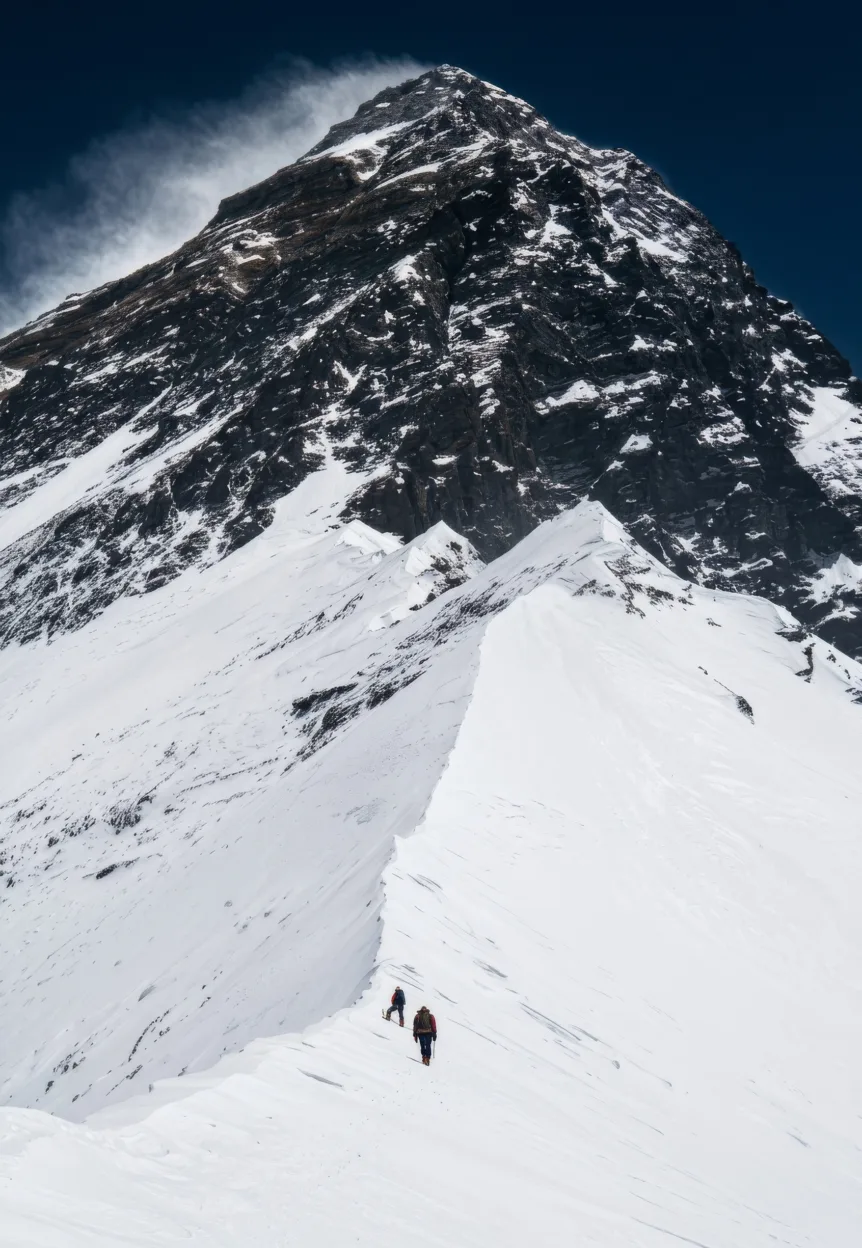
Everest’s West Ridge — a 2.5 km long, relatively gentle but extremely windy ridge before the summit pyramid.
With the ascent of Everest, Slovenian alpinism finally anchored itself among the world’s elite, where it remains today.
Technical solution
For the expedition Alpina developed boots with a double shell and special insulation for extreme temperatures down to −40 °C. The sole was designed for attaching crampons that ensured grip on ice and snow at high altitude.
For the outer clothing layer they used Gore-Tex for the first time; the material was imported, but domestic companies sewed the garments.
Zaplotnik’s legacy
Nejc Zaplotnik was one of the most important Slovenian alpinists and writers. His book Pot (The Path) became a classic of mountaineering literature. He died tragically in 1983 in an avalanche below Manaslu.
In 1982 the Zaplotnik family donated the boots to the Gorenjska Museum as part of a wider gift of mountaineering equipment and documents from Himalayan expeditions.
8848
metres · roof of the world
Did you know?
The hardest route
Everest’s West Ridge is considered the hardest route on the mountain. From base camp rises a 700 m steep rock wall, followed by a 1,200 m slope, then a 2.5 km windy ridge and the summit pyramid with 700 m of elevation gain.
Three Slovenians on the summit
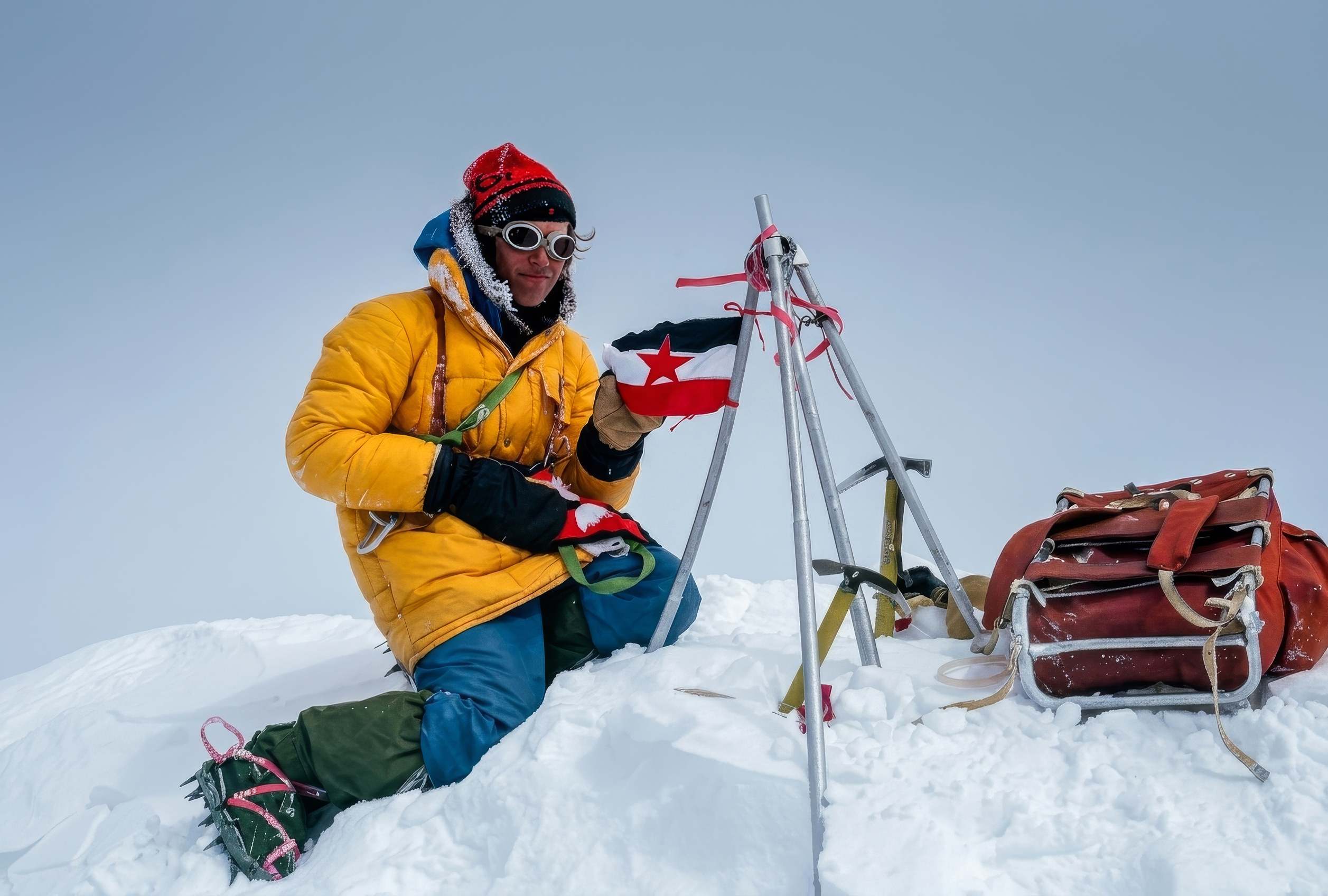
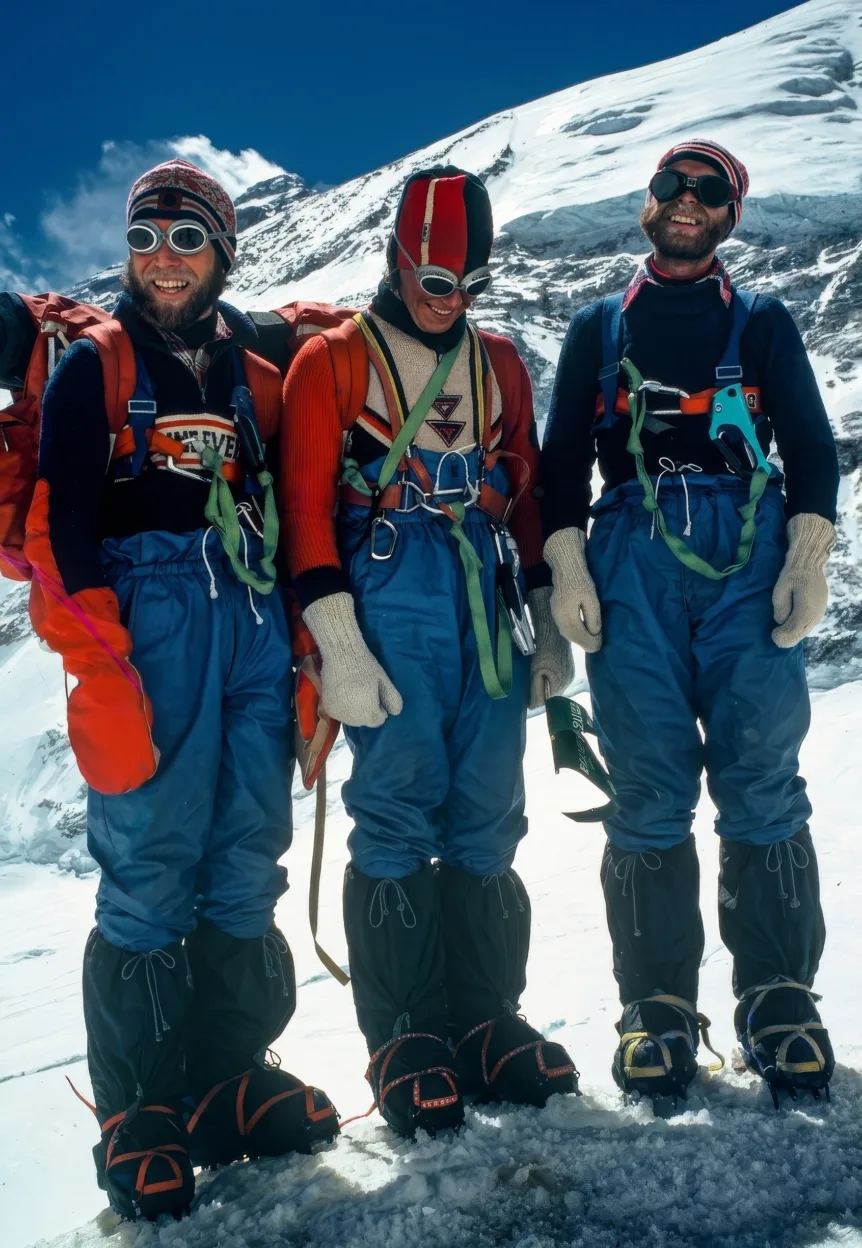
On this expedition the summit was reached by three Slovenians — Nejc Zaplotnik, Andrej Štremfelj and Stane Belak Šrauf — as well as Croatian Stipe Božić and Sherpa Ang Phu.
The same boots, two mountains
Zaplotnik wore the same Alpina boots two years later, in 1981, on an attempt via the demanding south face of Lhotse — the world’s fourth-highest mountain.
Photographs of the object and the expedition
Zgodbe za predmeti
1–2 / 2
 01 / 02
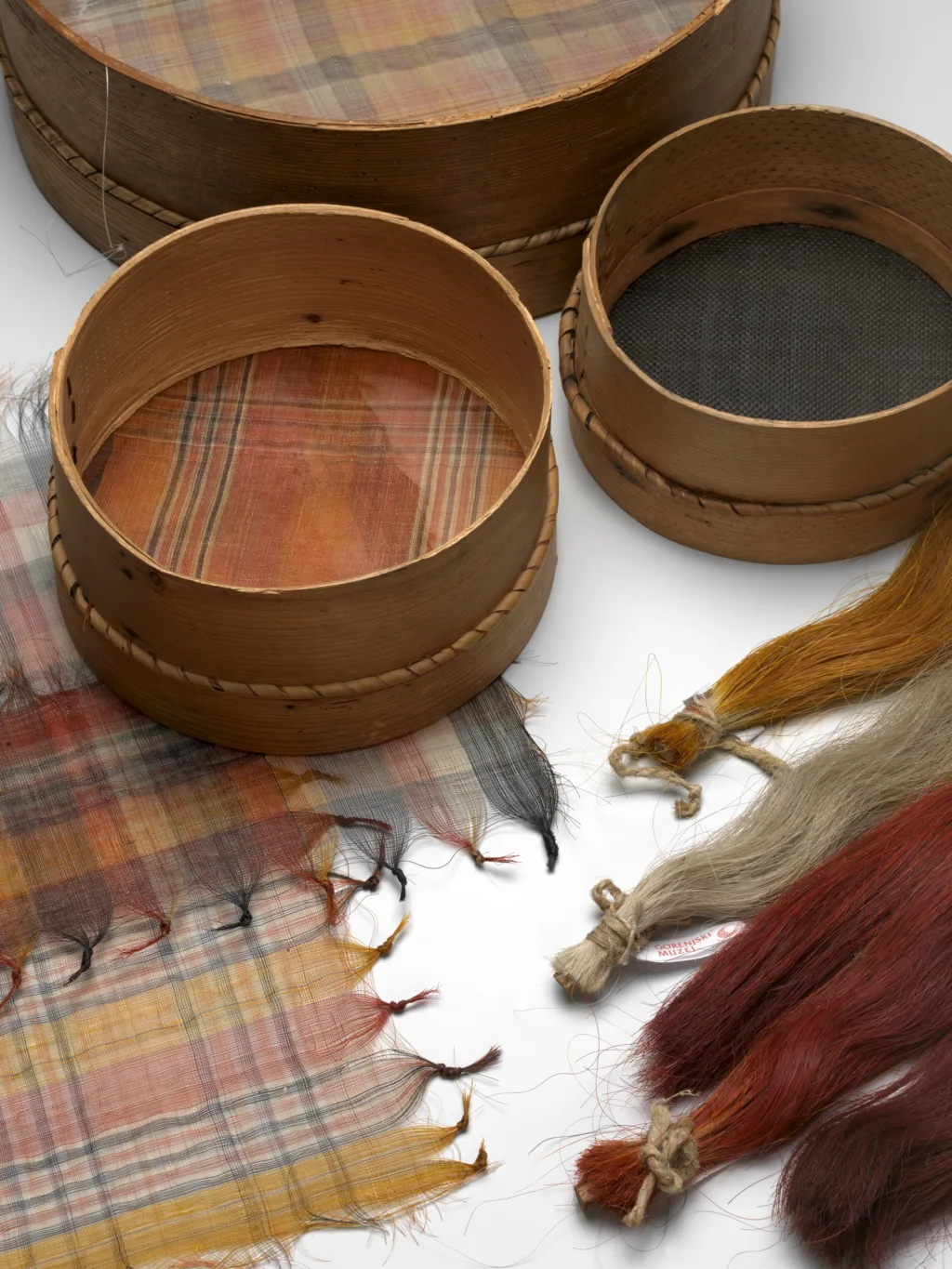
Horsehair sieves
Coloured sieves made from horse-tail hair — a speciality of the villages between Kranj and Škofja Loka. From the 16th to the mid-20th century Stražišče and its surroundings were Europe’s largest sieve-making centre, prod…
Več o predmetu 02 / 02
Decorations of Dr Janez Bleiweis
Decorations and honorary appointments of the father of the Slovenian nation — a 2009 donation to the Gorenjska Museum by great-great-grandson Dipl. Eng. Andrej Bleiweis, together with decorations belonging to his son Dr…
Več o predmetu