
Horsehair sieves
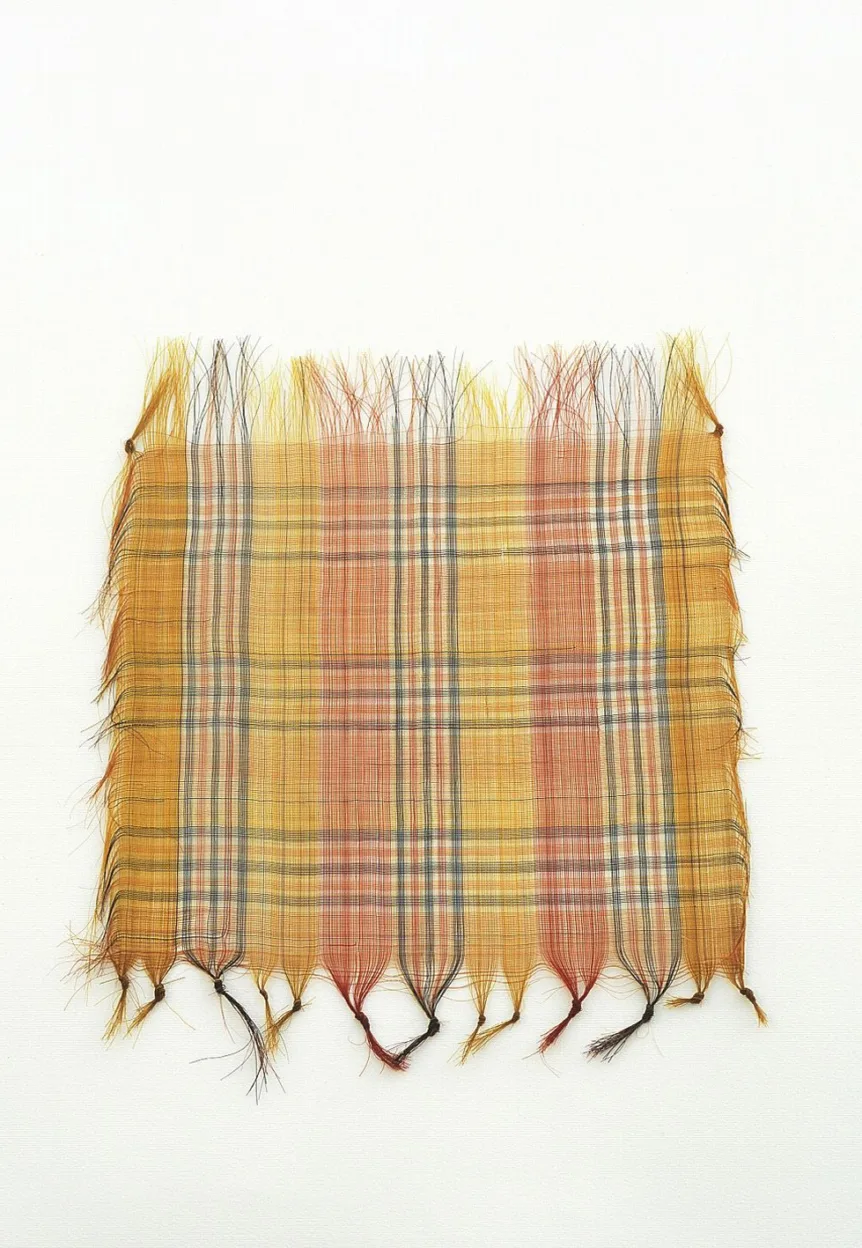
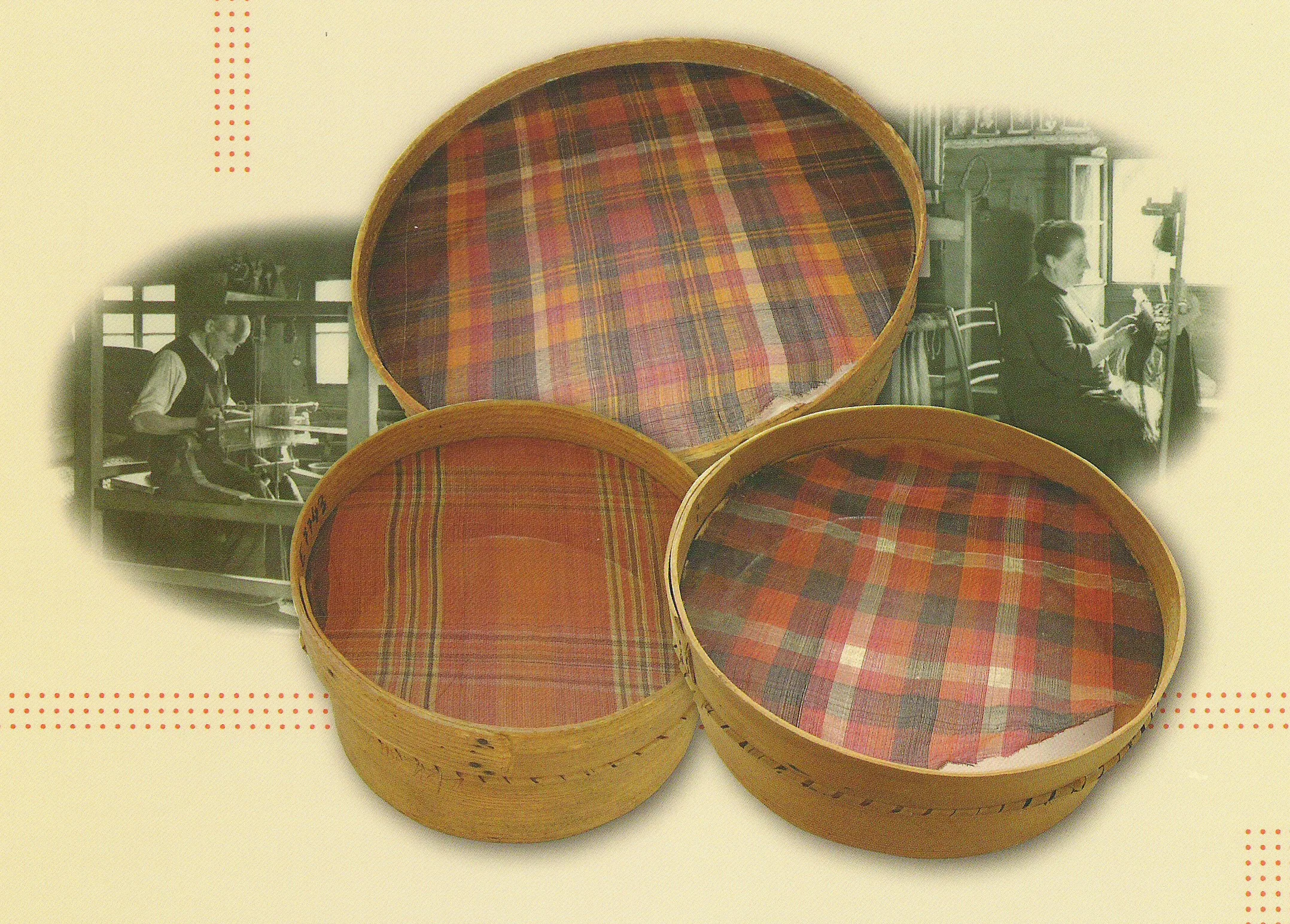
Coloured sieves made from horse-tail hair — a speciality of the villages between Kranj and Škofja Loka. From the 16th to the mid-20th century Stražišče and its surroundings were Europe’s largest sieve-making centre, producing over 200 different sieves with checkered and striped patterns.
Material
Horsehair
Centre
Stražišče
Period
16th–20th c.
Khislstein Castle
Europe’s largest sieve-making centre
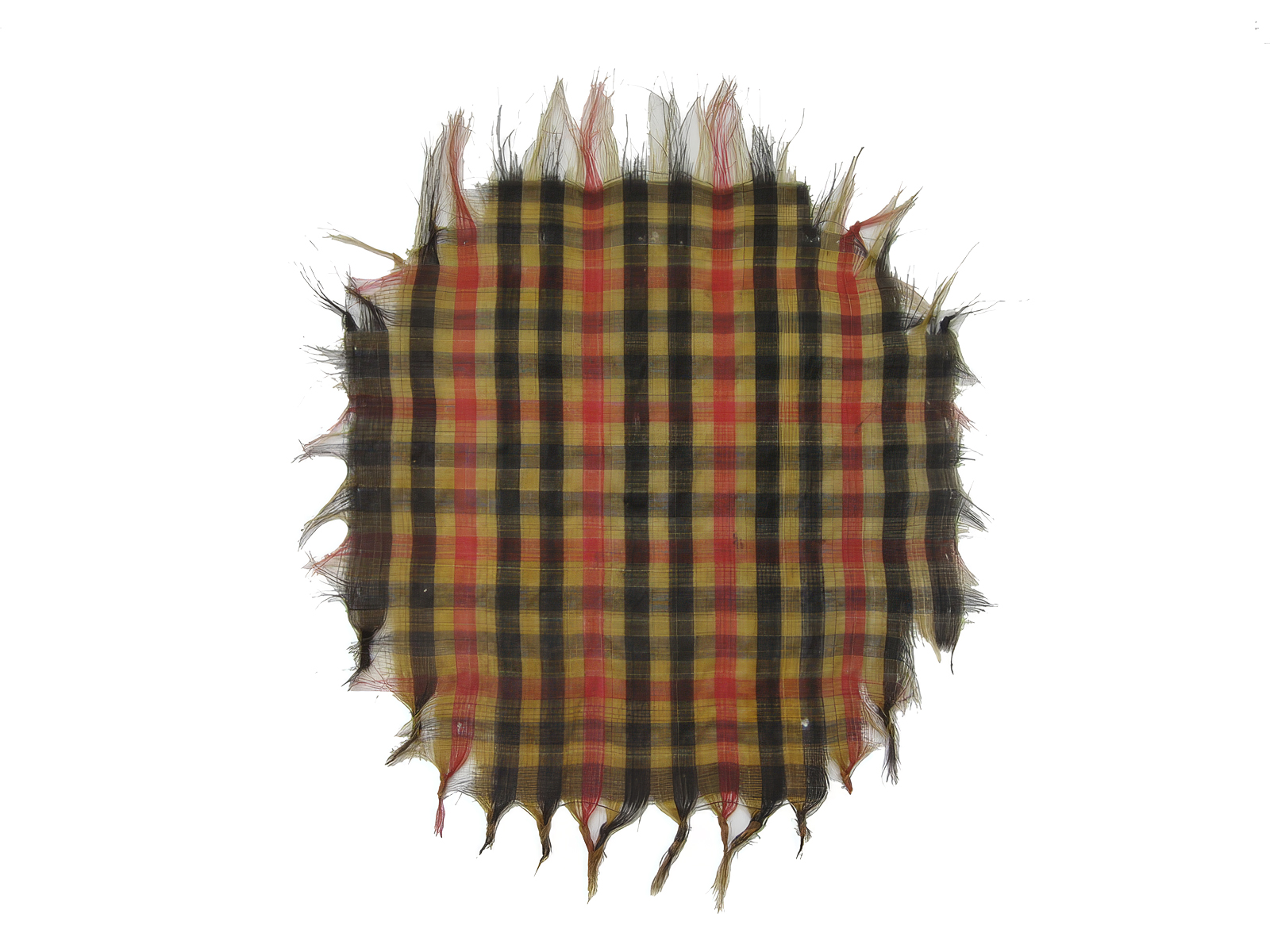
A great speciality of the villages between Kranj and Škofja Loka was weaving coloured sieves from horse-tail hair. From the 16th to the mid-20th century Stražišče and its surroundings were Europe’s largest sieve-making centre, producing over 200 different sieves with checkered and striped patterns.
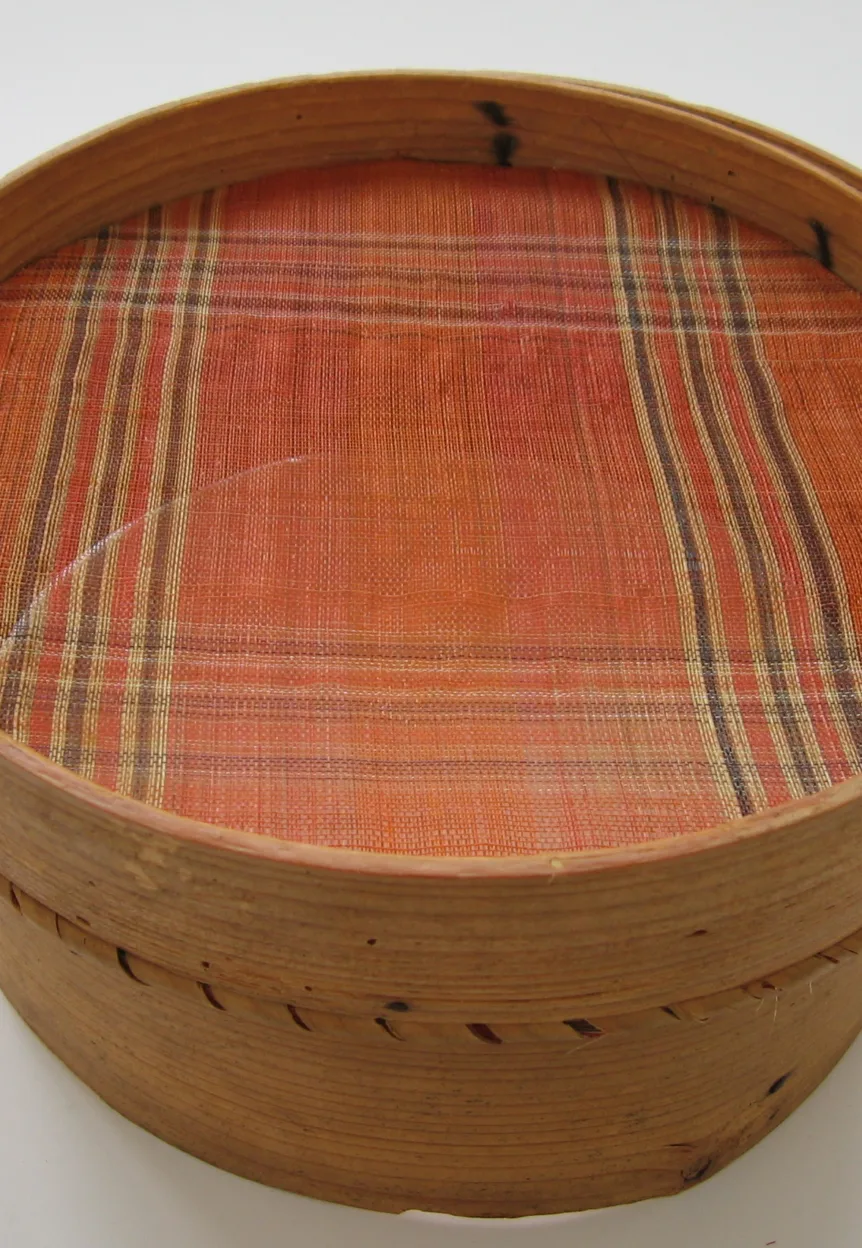
Millers and housewives used the sieves for sifting flour, brewers for straining, pharmacists for preparing medicinal powders, cooks for pressing meat for pâté and fruit for jams. Over 95 percent of the sieves were sold wholesale as cloth by local entrepreneurs to many European countries and even to Russian, North African, Asia Minor and for a time also American markets. The rest were bought by pedlars, fitted into wooden frames and hawked around Slovenian and neighbouring lands. Housewives gladly bought sieves with colourful patterns of white, black and brown horsehair dyed red, orange and yellow.
“Horsehair sieves were among those products of the former land of Carniola that spread our good name throughout Europe.”
Figures illustrate the scale of sieve production. In the time of Maria Theresa in the 18th century the largest firm sold 10 tonnes of horsehair sieves and uniform underlays. In 1763 some 300 sieve-makers and their families wove for various sieve merchants; by 1844 there were 500. Towards the end of the 19th century the sieve trade declined and workers were paid less than before.
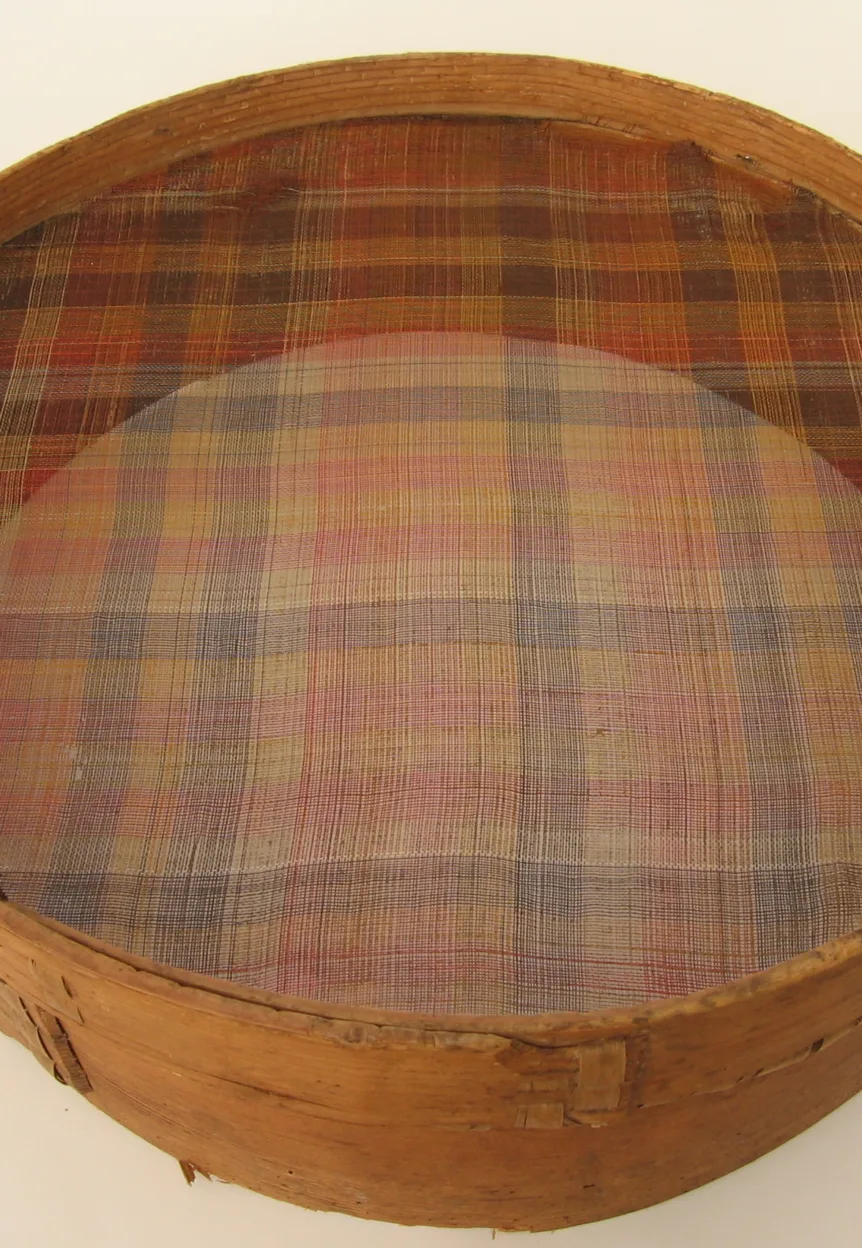
Checkered and striped patterns — more than 200 different sieves from Stražišče and its surroundings.
When thin metal sieves began to be machine-made around the world, horsehair ones no longer sold — yet the colourful sieves, tools and know-how for making them remain a precious Slovenian and European heritage.
Uses
Millers and housewives sifted flour with the sieves, brewers strained liquids, pharmacists prepared medicinal powders, cooks pressed meat for pâté and fruit for jams.
Pedlars fitted the cloth into wooden frames and hawked them around Slovenian and neighbouring lands.
Trade and exhibitions
Over 95 percent of the sieves were sold wholesale as cloth by local entrepreneurs to Europe and beyond — to Russian, North African, Asia Minor and for a time also American markets.
In the 19th century merchants exhibited Slovenian horsehair sieves at craft and industrial exhibitions in Ljubljana, Klagenfurt, Graz, Vienna, Trieste, Paris and London. Everywhere the quality products earned awards, diplomas and medals.
200+
different sieves · patterns
Did you know?
500 sieve-makers
In 1763 some 300 sieve-makers and their families wove for sieve merchants; by 1844 there were already 500 — entire villages lived from weaving horsehair cloth.
10 tonnes for Maria Theresa
In the 18th century the largest firm sold 10 tonnes of horsehair sieves and uniform underlays — a figure that shows how large the business was.
Medals across Europe
At exhibitions in Ljubljana, Klagenfurt, Graz, Vienna, Trieste, Paris and London, Slovenian horsehair sieves received awards, diplomas and medals.
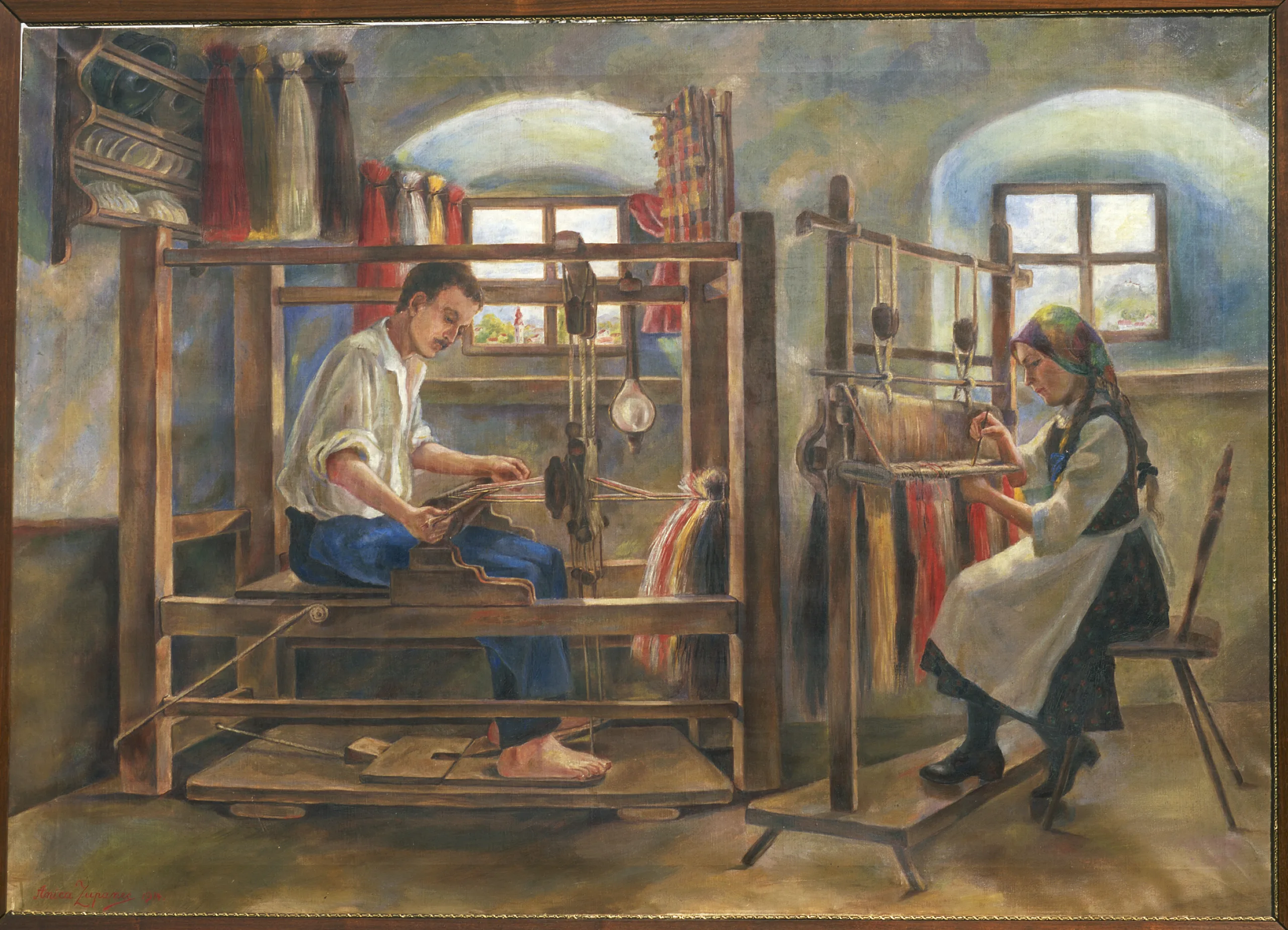
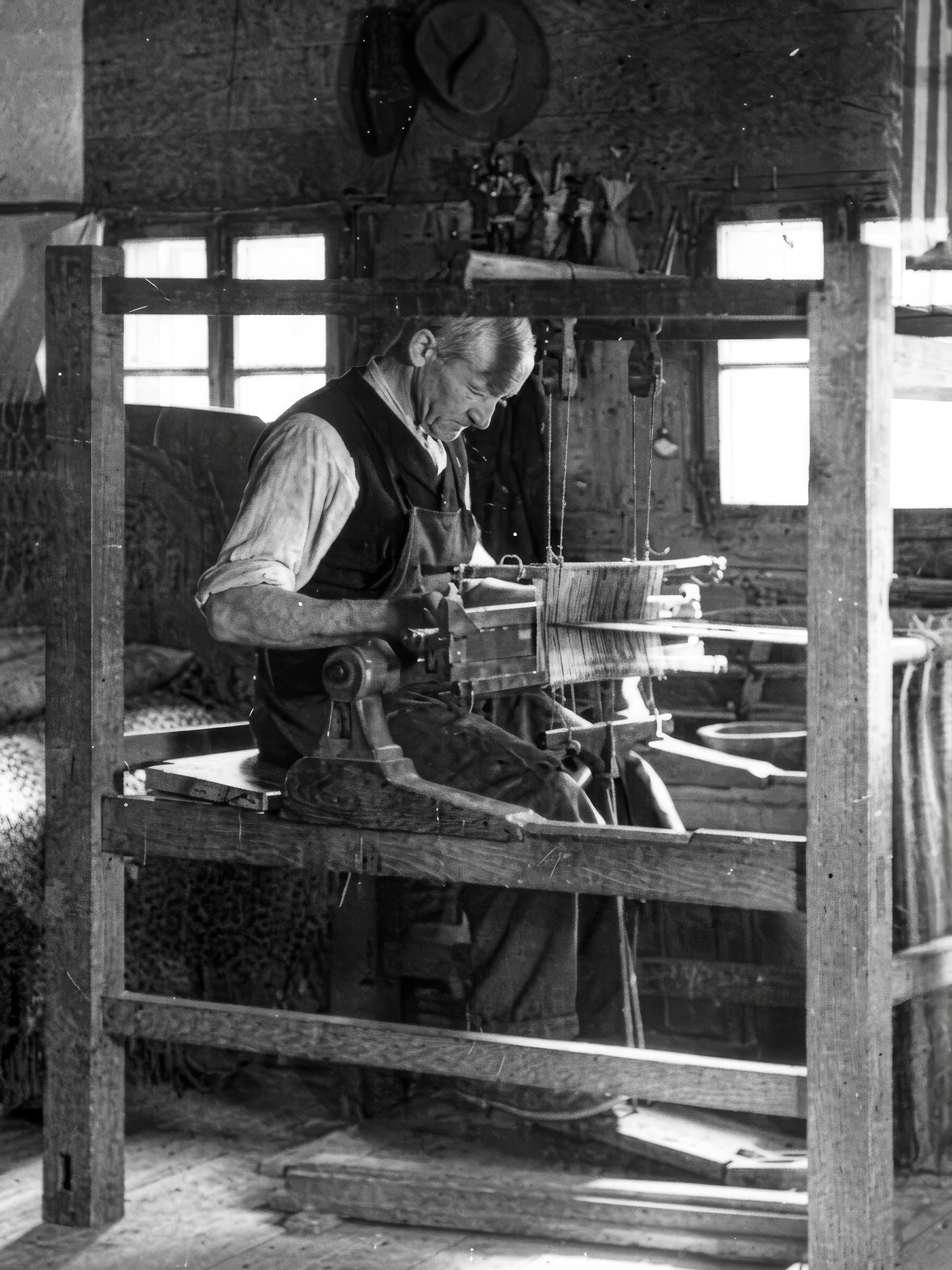
Photographs of the object and craft
Zgodbe za predmeti
1–3 / 3
 01 / 03
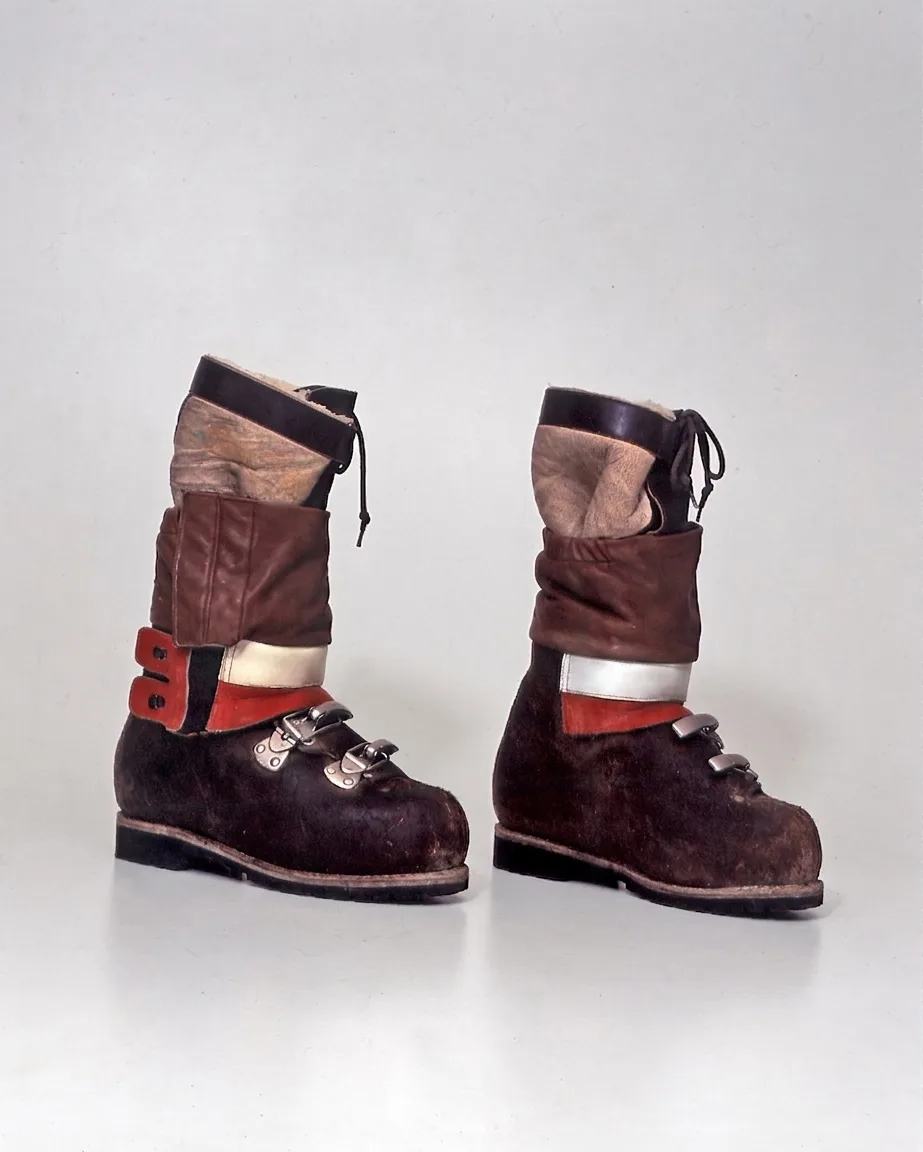
Nejc Zaplotnik’s high-altitude boots
Višinski čevlji, ki jih je na alpinistični odpravi Everest 1979 nosil legendarni Nejc Zaplotnik. Čevlje je izdelalo podjetje Alpina Žiri.
Več o predmetu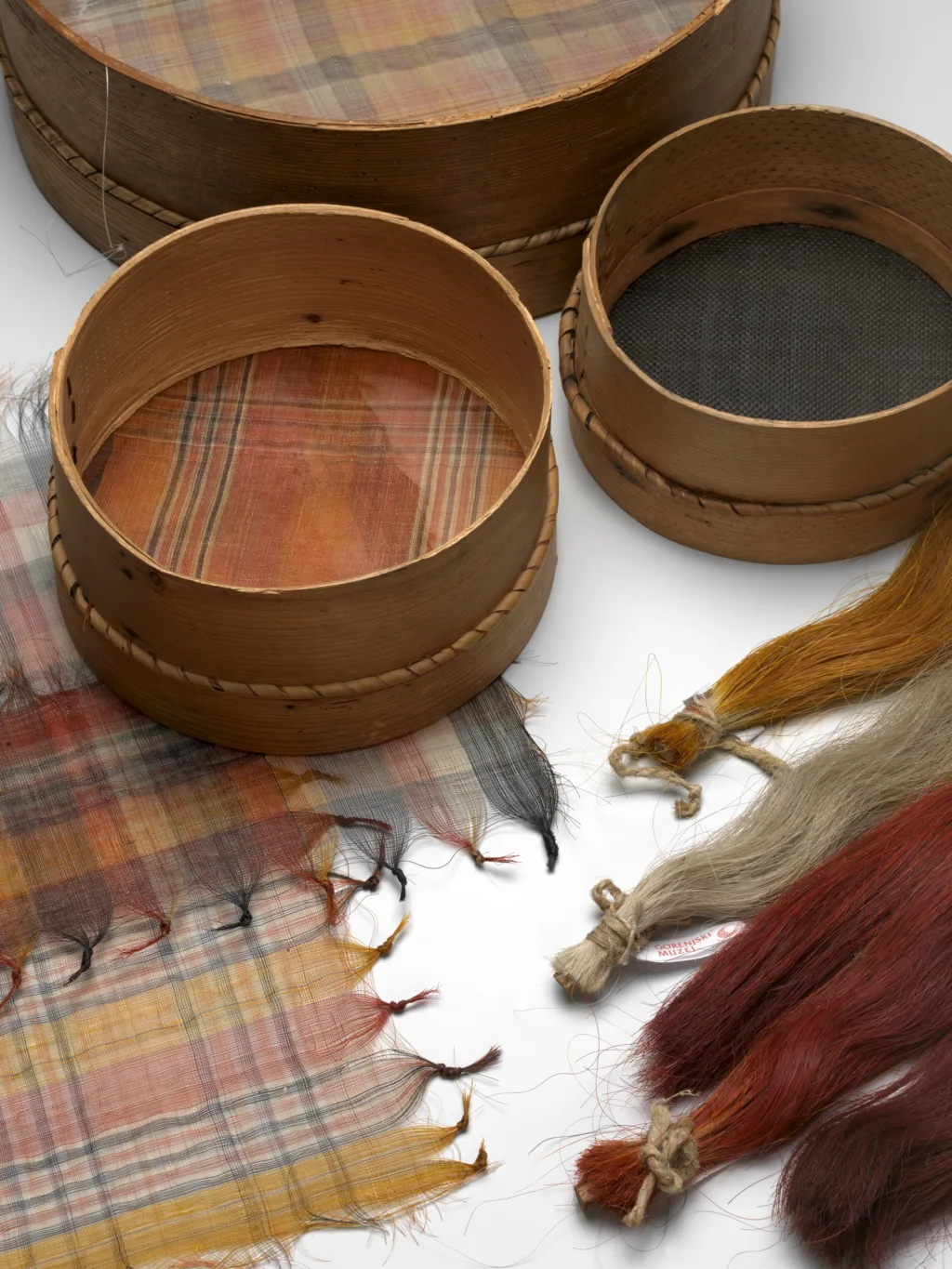 02 / 03
Horsehair sieves
Coloured sieves made from horse-tail hair — a speciality of the villages between Kranj and Škofja Loka. From the 16th to the mid-20th century Stražišče and its surroundings were Europe’s largest sieve-making centre, prod…
Več o predmetu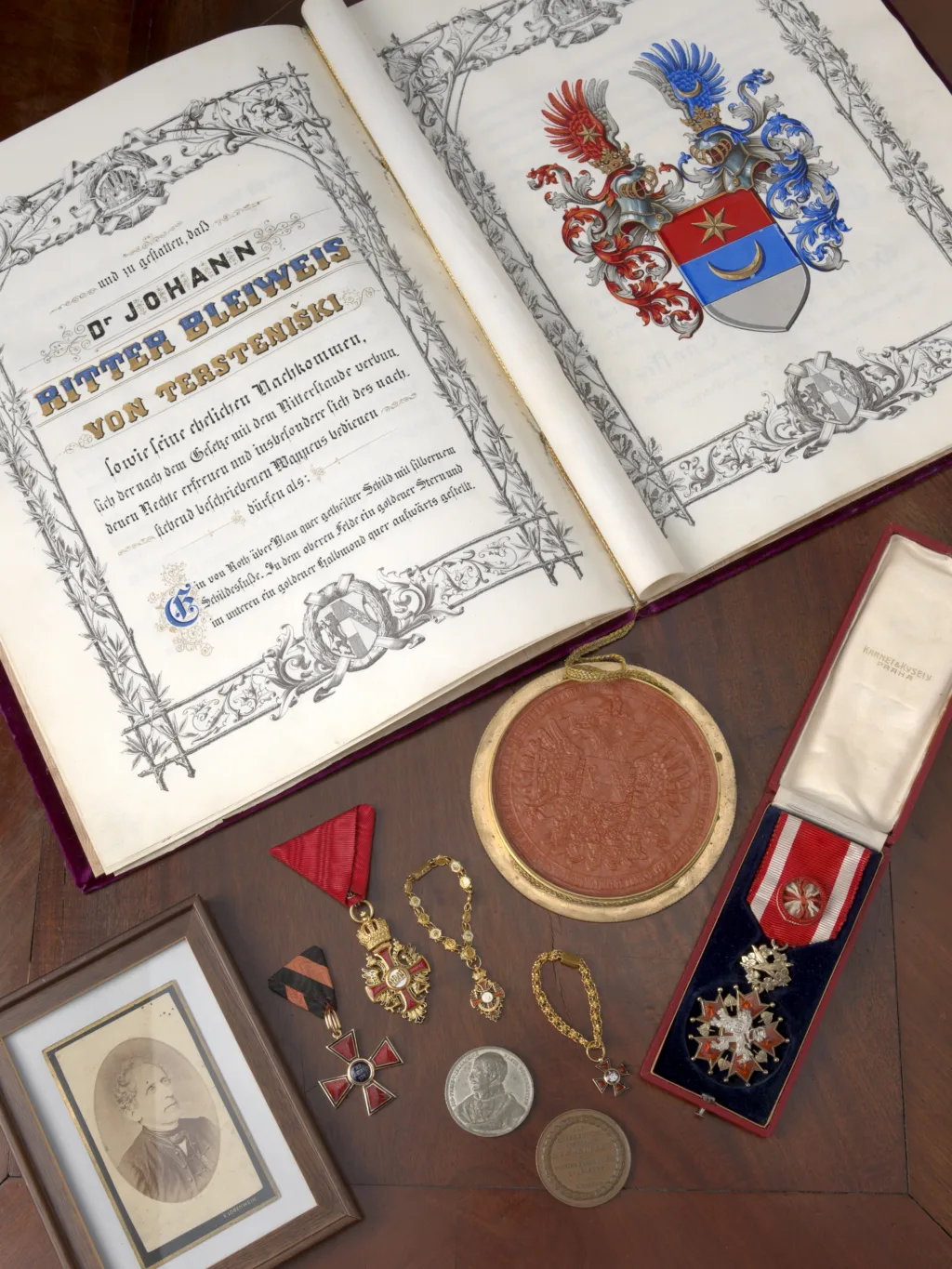 03 / 03
Decorations of Dr Janez Bleiweis
Decorations and honorary appointments of the father of the Slovenian nation — a 2009 donation to the Gorenjska Museum by great-great-grandson Dipl. Eng. Andrej Bleiweis, together with decorations belonging to his son Dr…
Več o predmetu